
Trade and Supply Chain Finance
-
Elevating EU-ASEAN Relations: Towards Modern and Innovative Trade Agreements and Strategic Cooperation
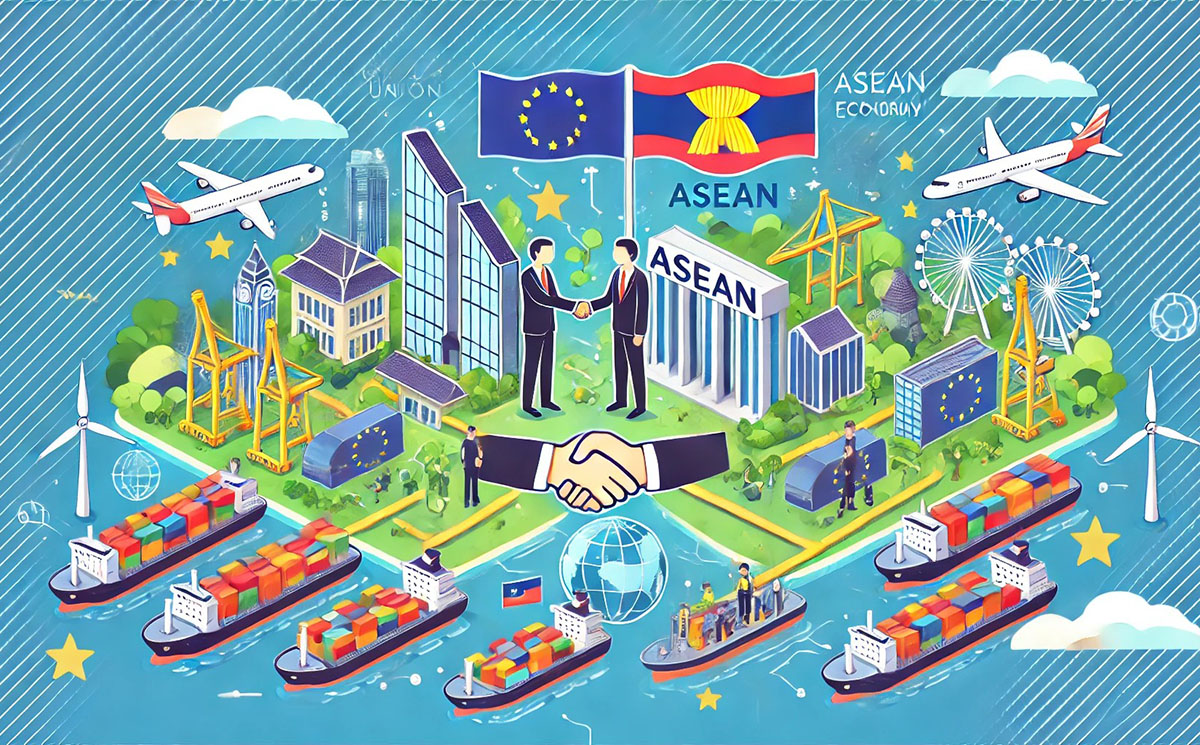
The European Union (EU) and the Association of Southeast Asian Nations (ASEAN) have long maintained a robust trade relationship, serving as pivotal economic partners on the global stage. As of 2024, the EU stands as ASEAN’s third-largest trading partner, while ASEAN ranks as the EU’s fifth-largest partner. This interdependence fosters mutual economic growth and geopolitical… Read more
-
Analysis of “Digital Public Infrastructure and Development: A World Bank Group Approach”
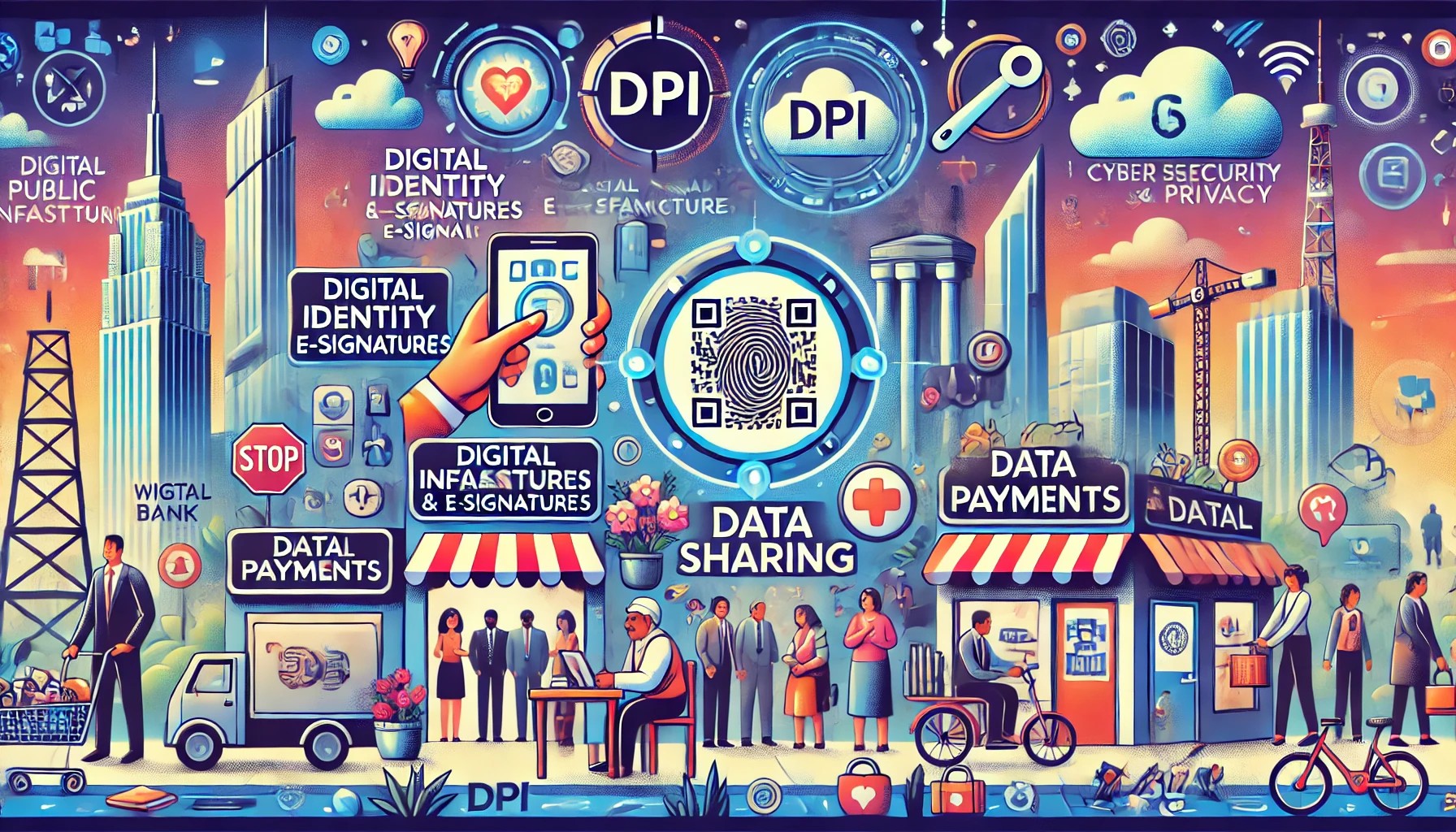
This World Bank report, published in March 2025, serves as a strategic framework for developing Digital Public Infrastructure (DPI) as a foundational element of digital transformation. It emphasizes DPI as a set of shared digital systems—such as digital identity, payments, and data-sharing—that governments and private sector players can use to create scalable, efficient, and inclusive… Read more
-
Analysis of the Asian Economic Integration Report 2025: Harnessing the Benefits of Regional Cooperation and Integration
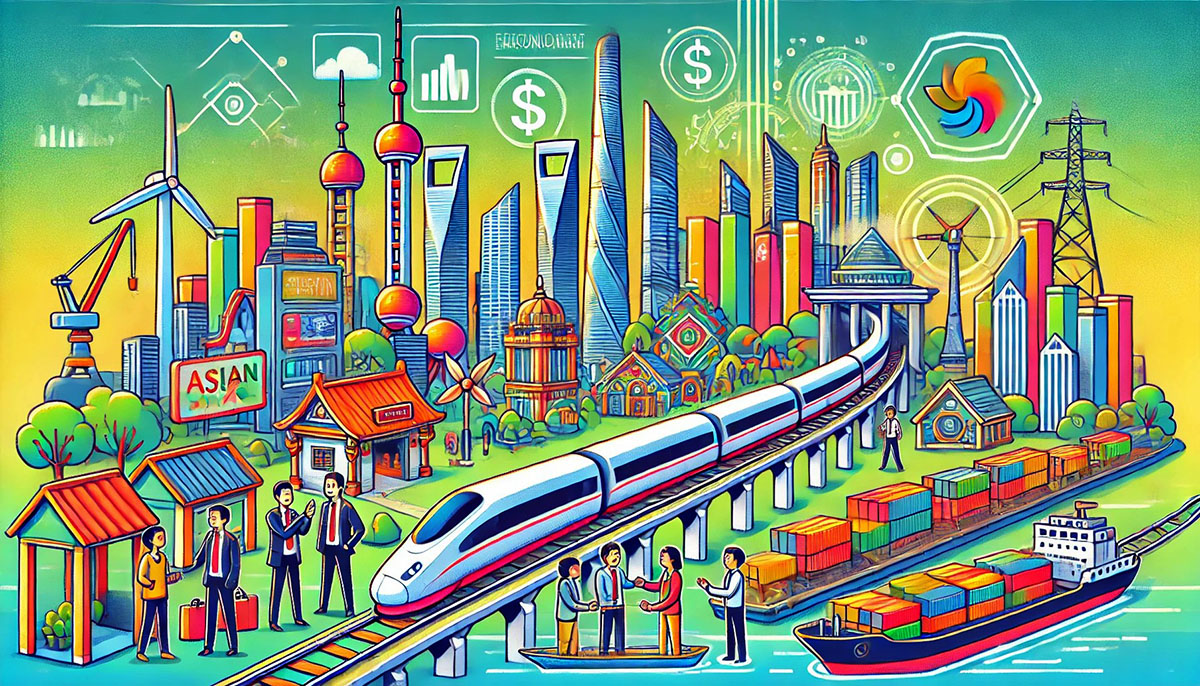
The Asian Economic Integration Report 2025 (AEIR 2025), published by the Asian Development Bank (ADB), marks the 10th anniversary of this flagship publication. The report provides a comprehensive analysis of the deepening regional integration in Asia and the Pacific over the past two decades, focusing on trade, global value chains (GVCs), investment, finance, and the… Read more
-
Tanzania’s Digital Economy Strategic Framework (DESF) is a comprehensive plan to leverage digital technologies for economic growth, industrialization, and financial inclusion. It aligns with national policies, such as Tanzania Development Vision 2025, and international agendas like the UN Sustainable Development Goals (SDGs) and the African Union’s Agenda 2063. Key Objectives and Vision The framework aims… Read more
-
Australia’s ambition to become a leading digital economy by 2030 requires comprehensive modernization of its trade and finance systems. The shift to a digital economy will involve leveraging emerging technologies, aligning with global standards, and implementing key legal frameworks. This article explores how Australia can achieve this vision, emphasizing legal reforms, technological innovations, and the… Read more
-
Historic Milestone in Africa’s Digital Trade: AfCFTA Finalizes Legal Framework
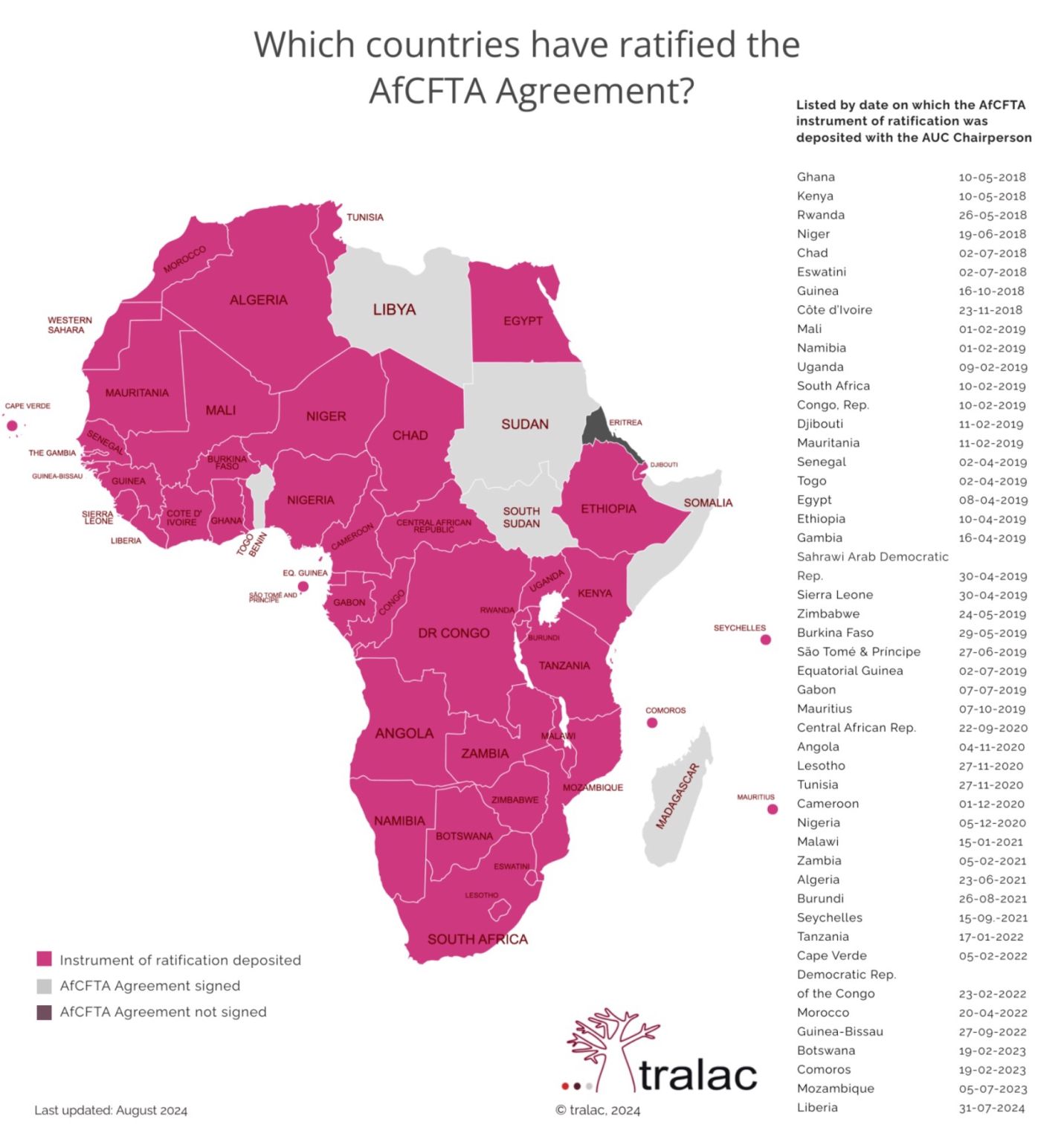
On 16 February 2025, the African Union (AU) marked a historic milestone in the continent’s digital economy. Exactly one year after adopting the Protocol on Digital Trade, the Assembly of the Heads of State and Government of the AU formally adopted eight (8) Annexes to the Protocol, completing the comprehensive legal architecture of the African… Read more
-
India Plans to Sets Up a Dedicated Agency to Digitalise Trade Documents and Finance
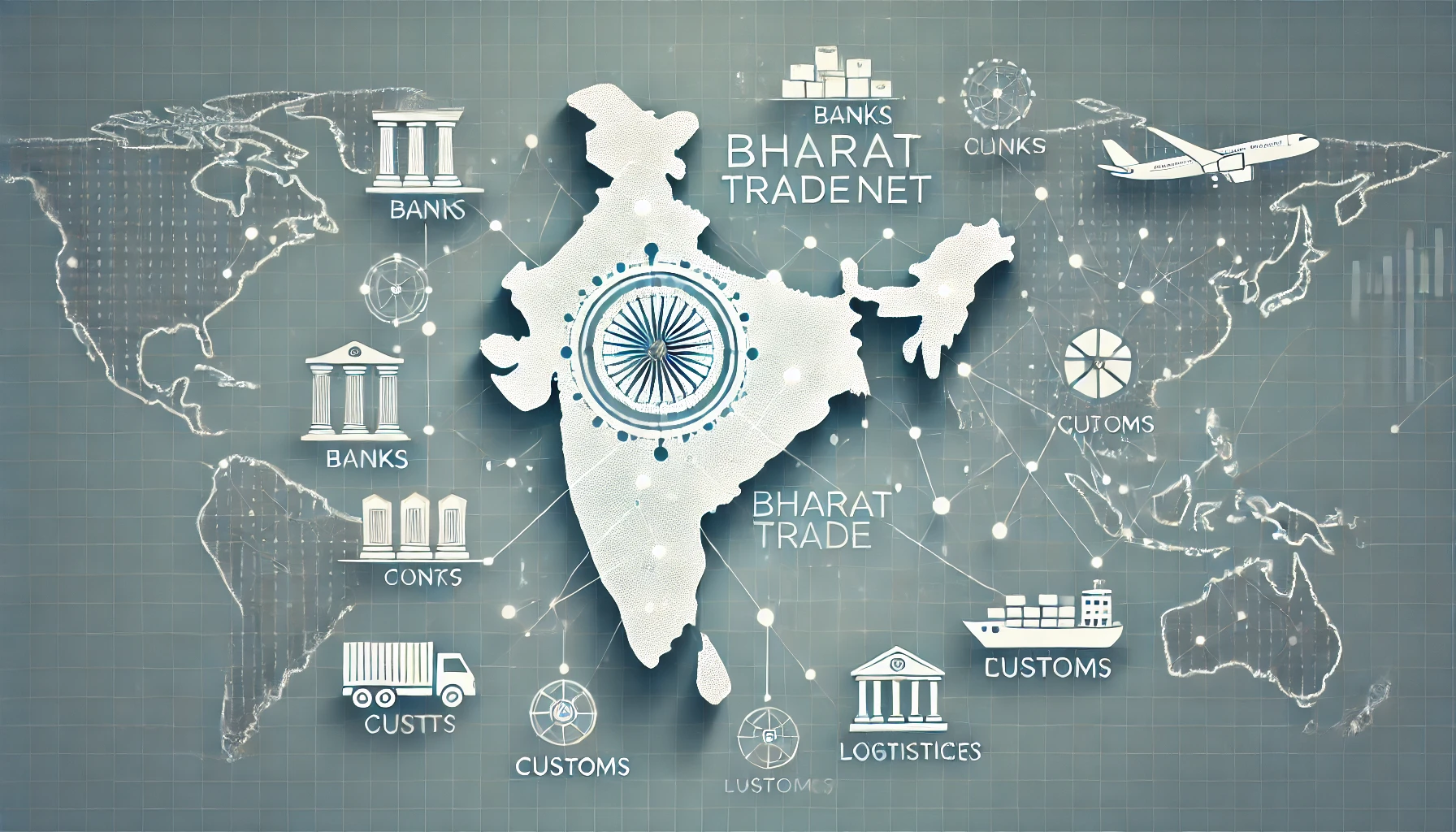
The Indian government has announced plans to establish BharatTradeNet, a unified digital platform for trade documentation and financing, modeled after UPI (Unified Payments Interface). This initiative, revealed in the Budget speech by Finance Minister Nirmala Sitharaman, aims to digitize trade documentation, streamline agency interactions, and improve export credit access. Key Highlights of BharatTradeNet: Timeline &… Read more
-
A Path to Paperless Trade: Analysing the Legal Gaps and Economic Benefit of Adopting or Maintaining a Legal Framework that Takes into Account the MLETR
APEC has an opportunity to realise the significant benefits arising from paperless trade in the region. APEC wide adoption of the UNCITRAL Model Law on Electronic Transferable Records (MLETR), or equivalent arrangements, can help to achieve this. The benefits of moving along this path to paperless trade are significant – estimated to be as high… Read more
-
EU-Singapore Digital Trade Agreement Embraces MLETR for Digital Trade Efficiency
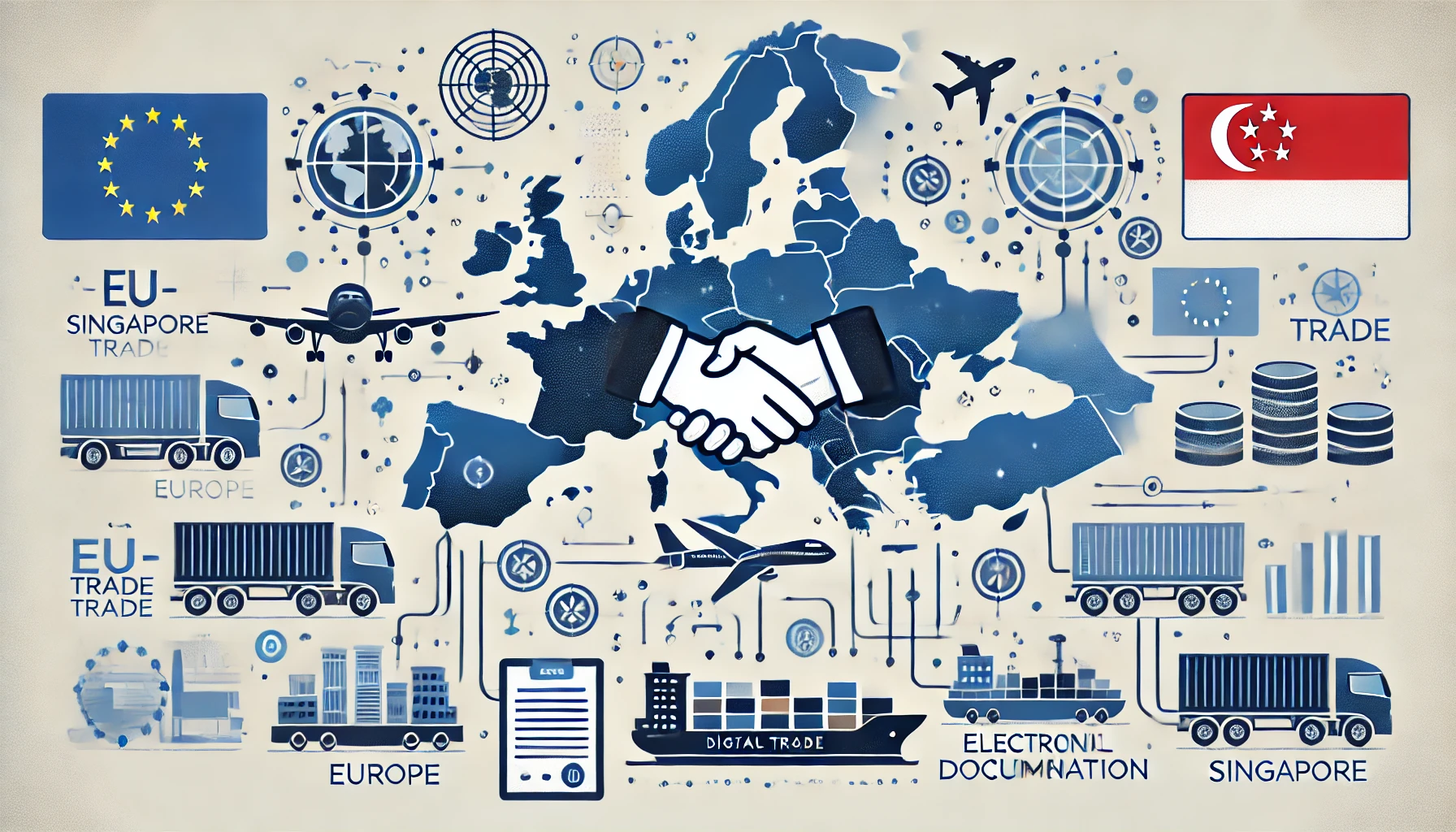
BRUSSELS, 31 January 2025 – The European Union and the Republic of Singapore plan to extend a pioneering digital trade agreement incorporating key elements of the Model Law on Electronic Transferable Documents (MLETR) developed by the United Nations Commission on International Trade Law (UNCITRAL) as a step to modernise cross-border trade. MLETR Integration in the… Read more
-
Micro, Small, and Medium Enterprises (MSMEs) are widely recognized as engines for growth and inclusion, particularly in EMDEs (namely Bangladesh, Republic of China, India, Kazakhstan, Mongolia, Pakistan and Vietnam). They play a crucial role in fostering economic development by creating jobs, stimulating innovation, and driving competition. In most EMDEs, MSMEs constitute a significant portion of… Read more