MLETR
-
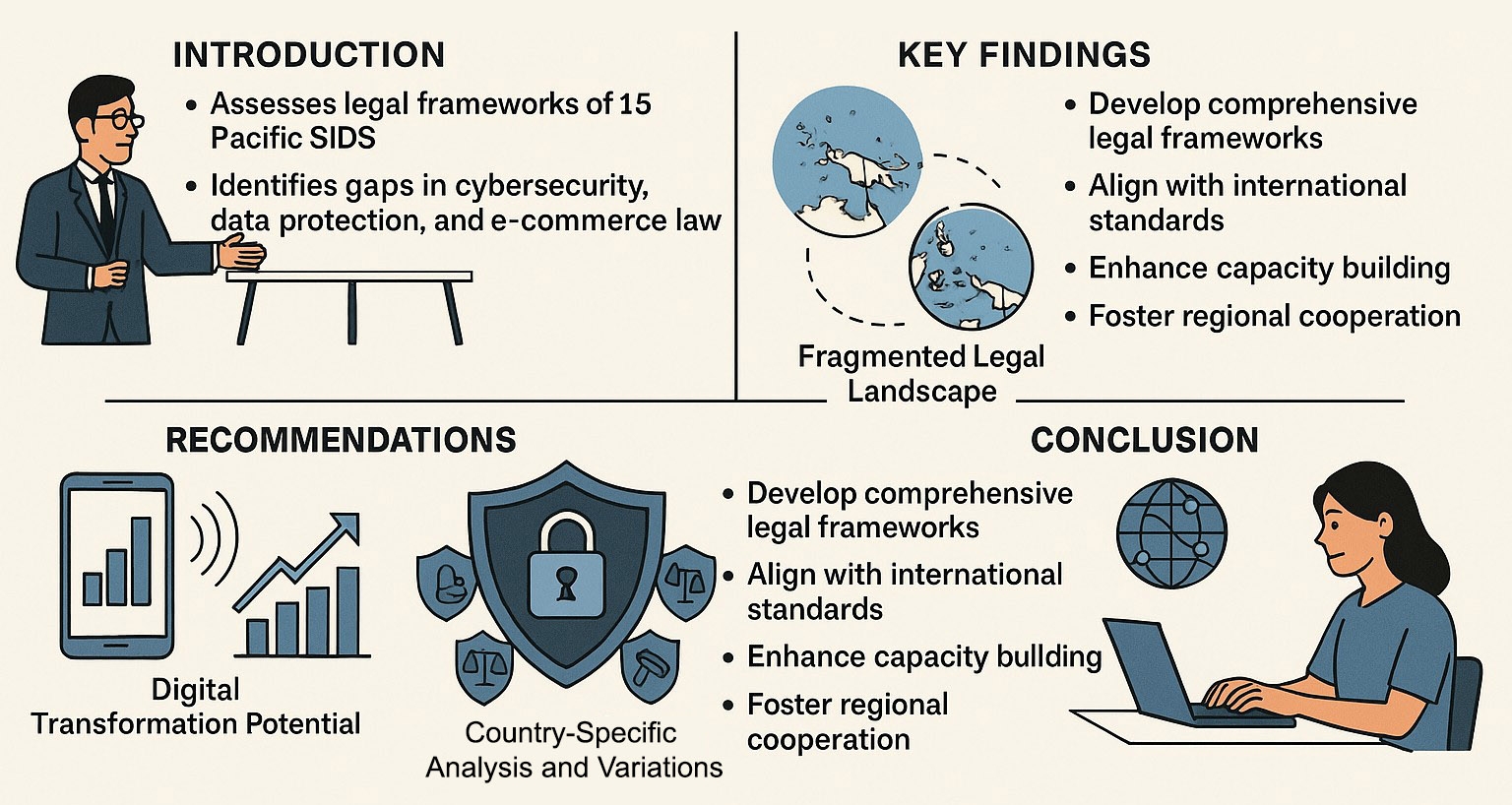
The Gap Analysis of Cyberlaws in Pacific Small Island Developing States report by the United Nations Conference on Trade and Development (UNCTAD) is an extensive document that assesses the state of legal frameworks governing the digital economies of 15 Pacific SIDS. Published in 2024, this report provides a detailed examination of how Pacific island nations… Read more
-
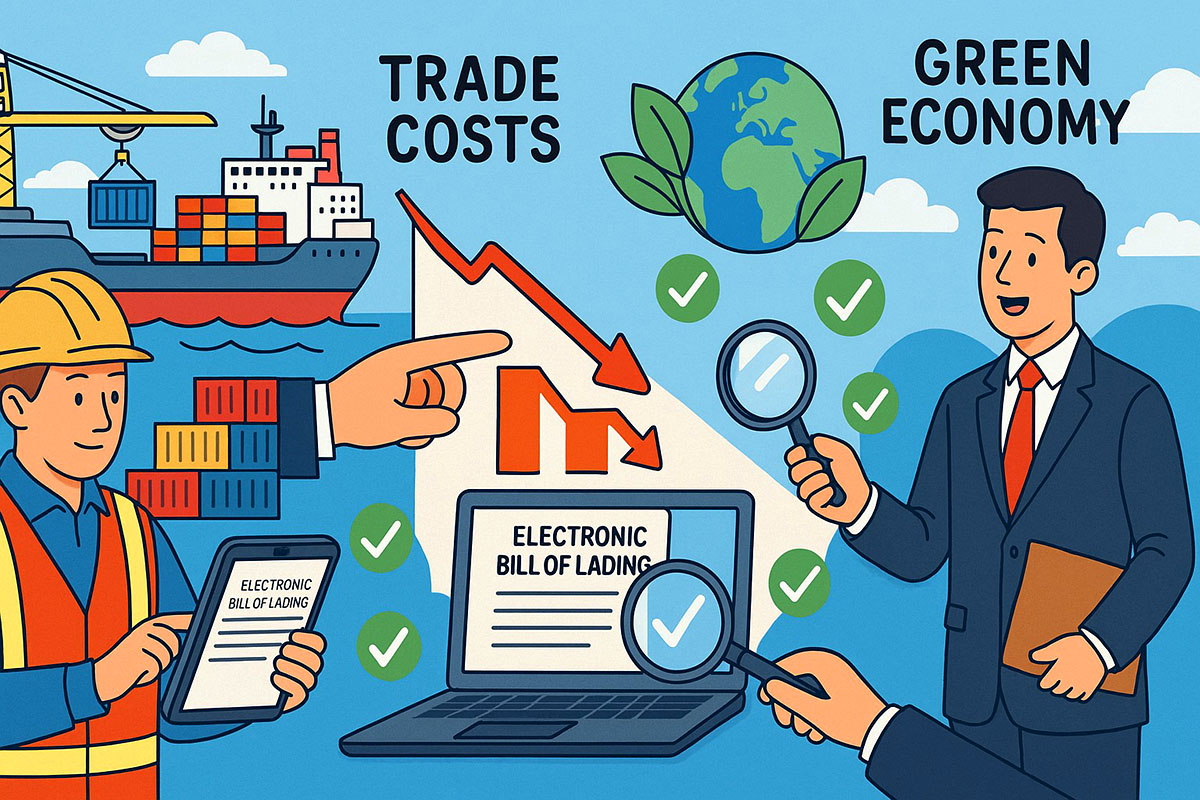
International Trade Centre created document “Expediting Trade Through Electronic Bills of Lading” focuses on the growing use of electronic bills of lading (eBLs) in global trade, an innovative digital solution that offers numerous advantages over traditional paper-based systems. It explores the economic, environmental, and security benefits of adopting eBLs, as well as the challenges that… Read more
-
Less is More: Proposals to Simplify and Improve European Rule-Making in the Financial Services Sector

The report “Less is More“, authored by an expert group in February 2025 presents a critical analysis of the current regulatory framework governing the European financial services sector. It highlights the inefficiencies and complexities within the existing rule-making process and proposes strategies for simplifying and enhancing financial regulations. The report was published with the support… Read more
-
Elevating EU-ASEAN Relations: Towards Modern and Innovative Trade Agreements and Strategic Cooperation
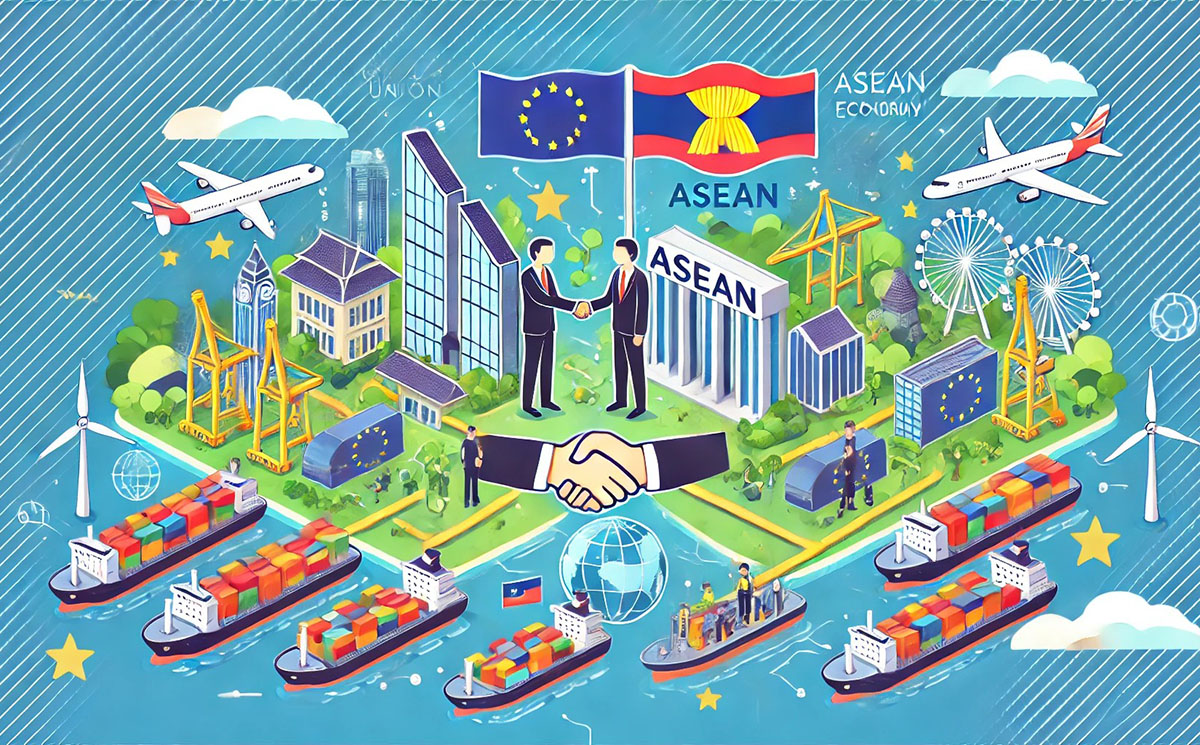
The European Union (EU) and the Association of Southeast Asian Nations (ASEAN) have long maintained a robust trade relationship, serving as pivotal economic partners on the global stage. As of 2024, the EU stands as ASEAN’s third-largest trading partner, while ASEAN ranks as the EU’s fifth-largest partner. This interdependence fosters mutual economic growth and geopolitical… Read more
-
Analysis of the Asian Economic Integration Report 2025: Harnessing the Benefits of Regional Cooperation and Integration
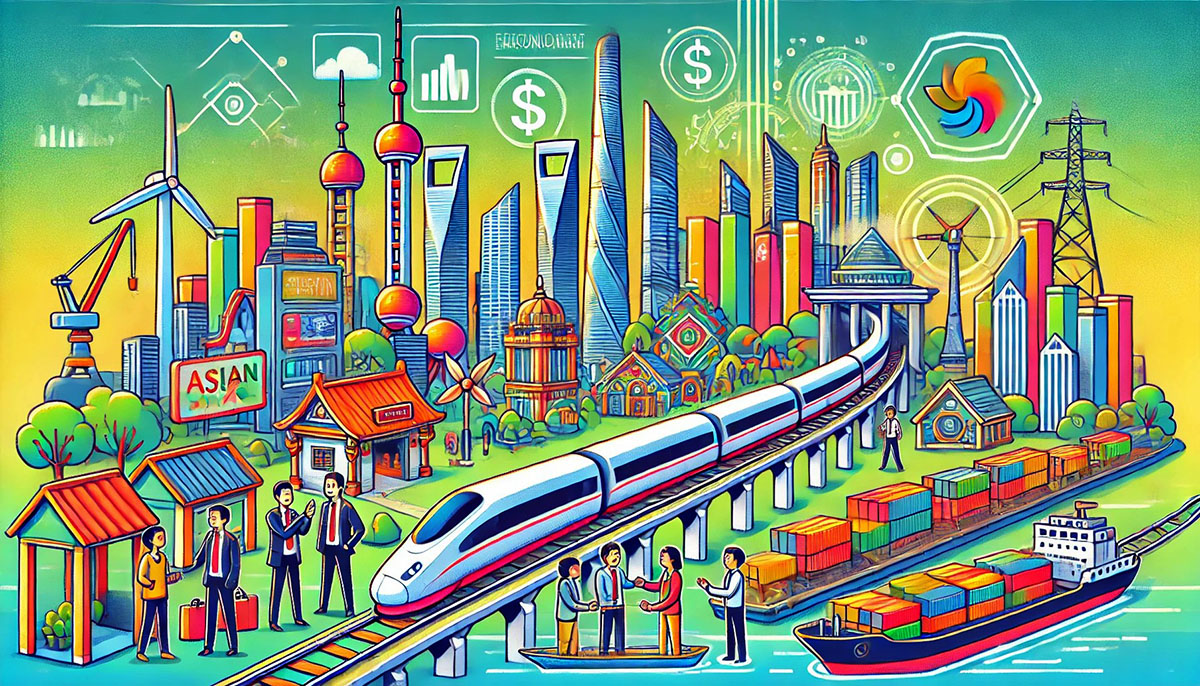
The Asian Economic Integration Report 2025 (AEIR 2025), published by the Asian Development Bank (ADB), marks the 10th anniversary of this flagship publication. The report provides a comprehensive analysis of the deepening regional integration in Asia and the Pacific over the past two decades, focusing on trade, global value chains (GVCs), investment, finance, and the… Read more
-
Navigating the Intersection of International Trade Law and Global Data Governance: Challenges and Strategies

In an era where data has become the backbone of economic growth and innovation, the intersection of international trade law and global data governance presents both opportunities and challenges. The growing digital economy relies heavily on cross-border data flows, yet regulatory frameworks vary significantly across jurisdictions. As countries implement data protection, cybersecurity, and competition laws,… Read more
-
In today’s rapidly evolving digital economy, the integration of trade and finance has the potential to create a more inclusive, efficient, and resilient global marketplace. However, fragmentation, interoperability challenges, and financing gaps, particularly for small and medium-sized enterprises (SMEs), continue to pose significant barriers to achieving this vision. The report highlights key challenges and opportunities… Read more
-
Australia’s ambition to become a leading digital economy by 2030 requires comprehensive modernization of its trade and finance systems. The shift to a digital economy will involve leveraging emerging technologies, aligning with global standards, and implementing key legal frameworks. This article explores how Australia can achieve this vision, emphasizing legal reforms, technological innovations, and the… Read more
-
Digital Trade Milestone: EU Strengthens Global Cooperation Through WTO Framework

On February 6, 2025, the European Commission unveiled a groundbreaking Council Decision to establish the EU and Member States’ position for upcoming WTO negotiations. This decision aims to amend Annex 4 of the WTO Agreement, addressing the Agreement on Electronic Commerce and setting the stage for the first global framework governing Digital Trade. The proposed… Read more
-
India Plans to Sets Up a Dedicated Agency to Digitalise Trade Documents and Finance
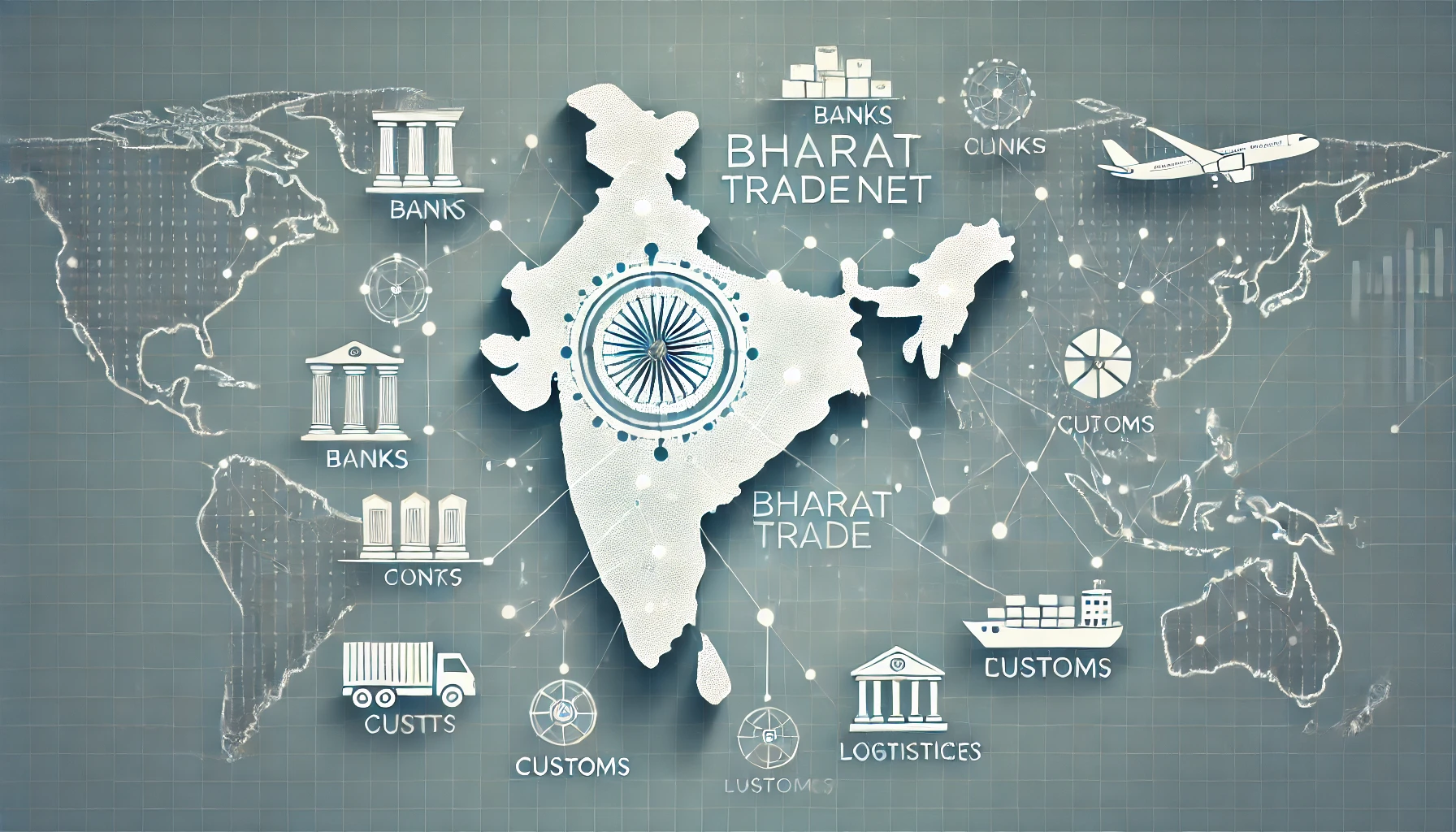
The Indian government has announced plans to establish BharatTradeNet, a unified digital platform for trade documentation and financing, modeled after UPI (Unified Payments Interface). This initiative, revealed in the Budget speech by Finance Minister Nirmala Sitharaman, aims to digitize trade documentation, streamline agency interactions, and improve export credit access. Key Highlights of BharatTradeNet: Timeline &… Read more