Digital Identity
-
Europe’s Tokenized Financial Markets Will Depend on Trust Frameworks, Not Anonymity
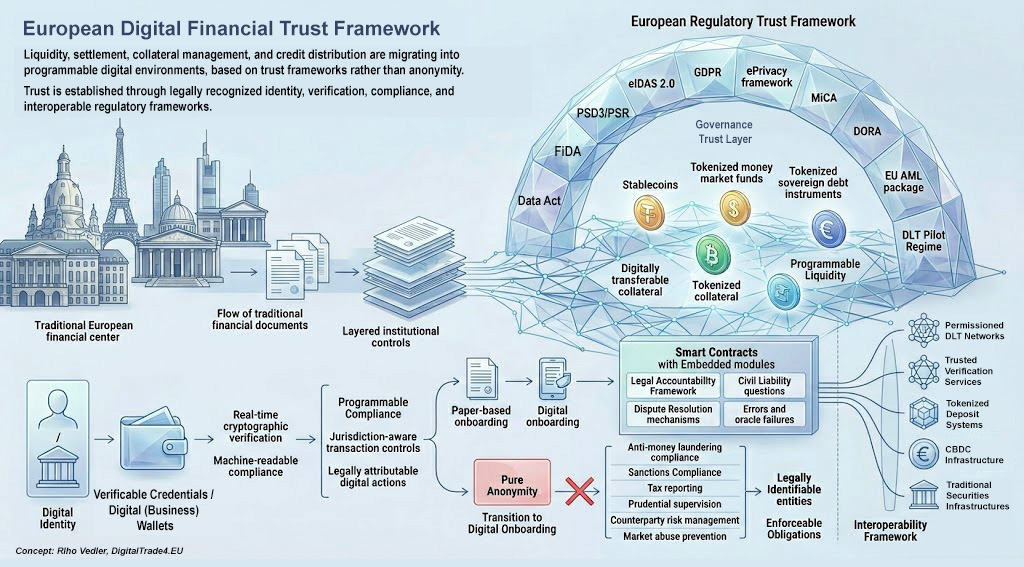
European financial markets are entering a structural transformation in which liquidity, settlement, collateral management, and credit distribution are increasingly migrating into programmable digital environments. Stablecoins, tokenized money market funds, tokenized sovereign debt instruments, and digitally transferable collateral are no longer speculative concepts confined to crypto-native ecosystems. They are emerging as components of institutional financial infrastructure.… Read more
-
Mauritius Moves Toward the Future of Digital Trade: Reform of the Electronic Transactions Act 2026

In 2026, the Government of Mauritius introduced a major reform package to its Electronic Transactions Act through the Electronic Transactions (Amendment) Bill No. V of 2026. The objective of the reform is to modernise the country’s legal framework for digital commerce and strengthen legal certainty for cross-border electronic transactions. The amendments address electronic signatures, automated… Read more
-
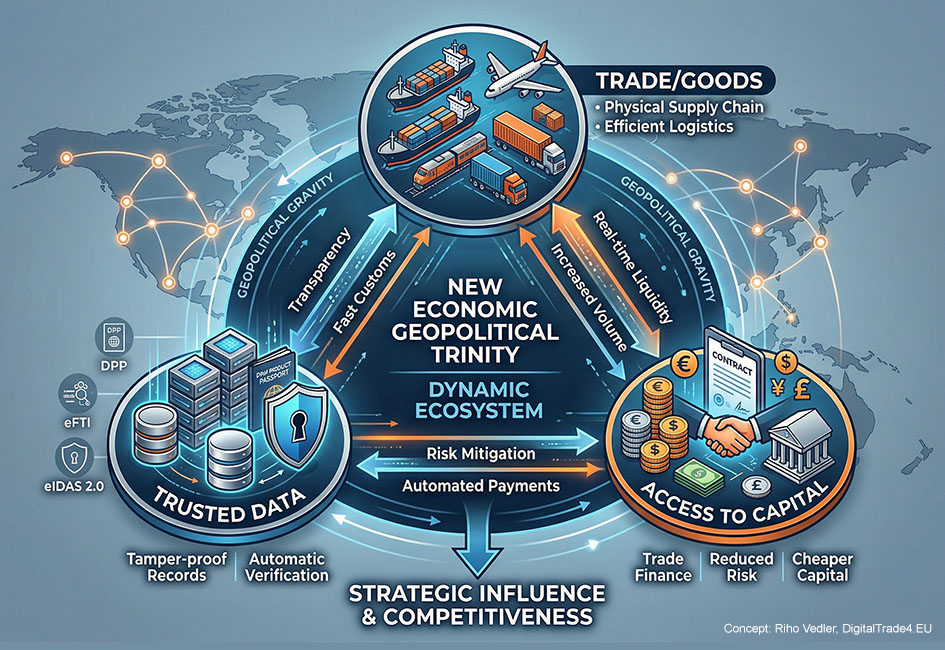
The European Union has quietly built one of the world’s most advanced digital regulatory ecosystems. With instruments such as the Digital Product Passport (DPP), electronic Freight Transport Information (eFTI), and eIDAS 2.0, the EU is shaping how data, trust, and compliance function within its internal market. Yet beyond its borders, this regulatory strength risks remaining… Read more
-
India Introduces the 2025 Digital Personal Data Protection Rules: A New Era for Data Governance

India has formally adopted the Digital Personal Data Protection (DPDP) Rules, 2025, a comprehensive set of regulations implementing the Digital Personal Data Protection Act, 2023. The rules mark a significant transformation of India’s digital governance framework, establishing detailed procedures for consent, data retention, breach notification, children’s data protections, and the responsibilities of companies and government… Read more
-
Lessons from BritCard: Why Architecture Matters for Digital Trust and Identity

Digital identity and trust are not just political or legal questions — they are also architectural ones. The UK government’s proposed BritCard system illustrates how design choices can deeply affect security, privacy, and public confidence. DIACC argues that Canada must avoid overly centralized control and instead promote architectures where the user owns and controls their… Read more
-
Unlocking Europe’s Financial Data Future: Insights from the FiDA Debate
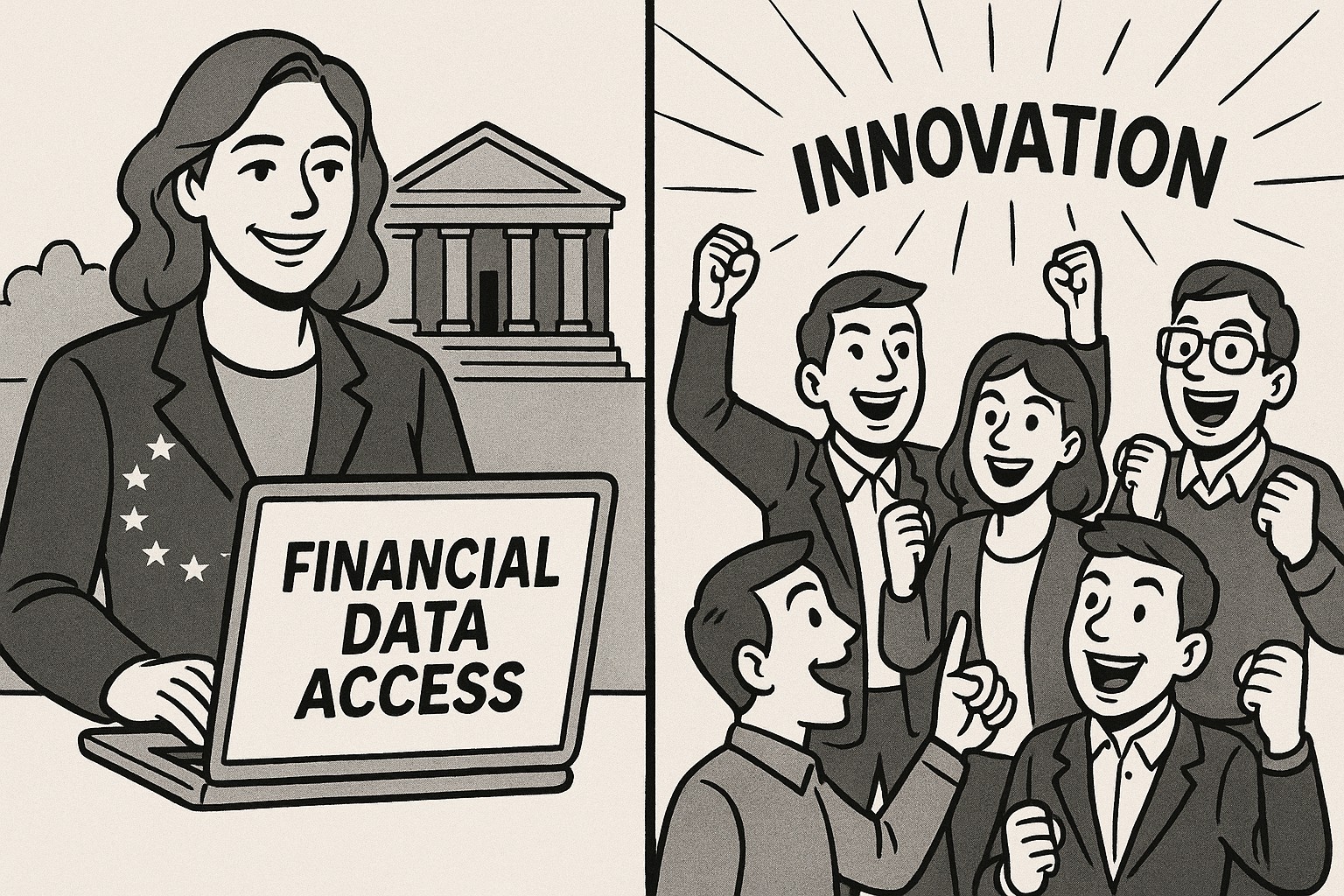
The European Union’s proposed Financial Data Access Regulation (FiDA) is emerging as a cornerstone in the ongoing transformation of Europe’s financial markets. The regulation aims to establish a comprehensive framework for data sharing across the financial sector, building on lessons from PSD2 and aligning with broader initiatives in open finance, digital identity, and the EU’s… Read more
-
The APAC State of Open Banking and Open Finance (2025): Landscape, Progress, and Regional Insights

The 2025 report titled “The APAC State of Open Banking and Open Finance”, jointly developed by the Cambridge Centre for Alternative Finance (CCAF) and the Asian Development Bank Institute (ADBI), offers a detailed and comprehensive assessment of how Open Banking and Open Finance (OBOF) are evolving across the Asia-Pacific (APAC) region. Building upon insights from… Read more
-
EU International Digital Strategy: Summary and Recommendations for Businesses and Governments

On 5 June 2025, the European Commission and the EU High Representative unveiled a new International Digital Strategy – a joint vision guiding the EU’s external digital policy. This strategy positions the EU as a stable and reliable partner, open to digital cooperation in a challenging geopolitical landscape. It aims to boost the EU’s competitiveness… Read more
-
Europe’s Single Market Strategy: Building a Simple, Seamless, and Strong Economic Home in an Uncertain World
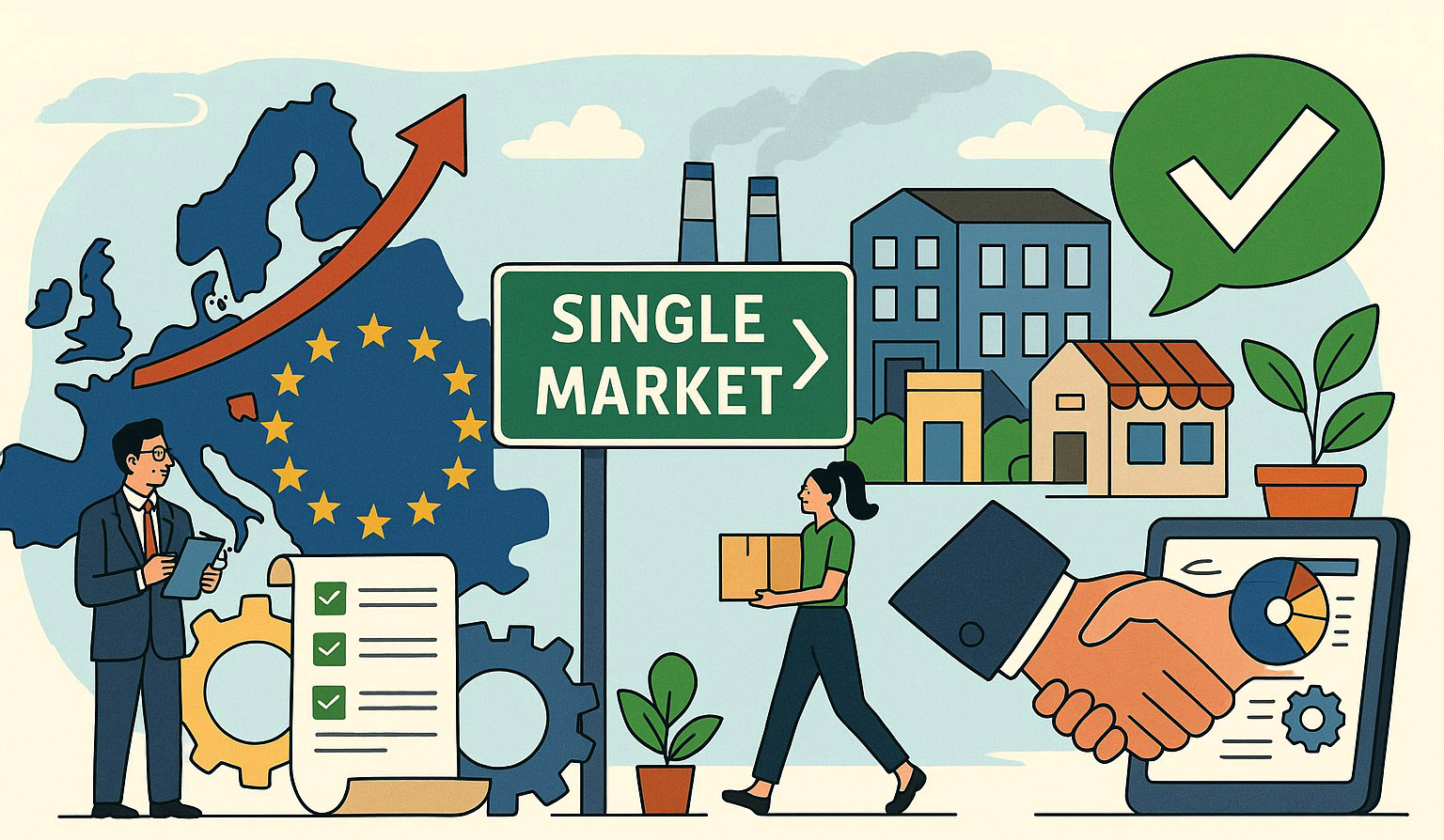
In a time of growing geopolitical tensions, economic uncertainty, and global competition, the European Single Market remains one of the EU’s greatest achievements and most powerful tools for ensuring prosperity, stability, and resilience. With an impressive €18 trillion GDP, representing nearly 18% of the global economy, the Single Market serves as the backbone of Europe’s… Read more
-
Advancing the African Continental Free Trade Area: Strategic Actions for Sustainable Development

The African Continental Free Trade Area (AfCFTA) represents one of the most ambitious initiatives for economic integration on the continent. As outlined in the Economic Report on Africa 2025 (ERA 2025), this agreement has the potential to reshape Africa’s trade landscape, fostering intra-African commerce, boosting industrialization, and enhancing global competitiveness. However, to realize its full… Read more