
-
Public Key Infrastructure: Implementing High-Trust Electronic Signatures
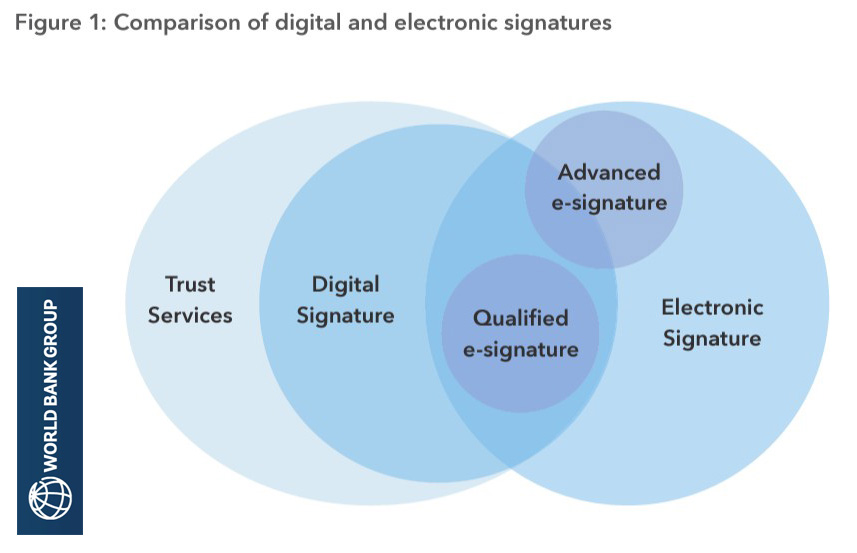
As countries progress in their digital transformation journeys, establishing trust in digital interactions becomes increasingly vital. Public Key Infrastructure (PKI) is a critical enabler of secure and trustworthy electronic transactions, constituting a key component of a country’s digital public infrastructure. This policy note focuses on how governments can effectively implement… Read more
-
Highlights of the 2024 APEC Leaders’ Machu Picchu Declaration

The 2024 APEC Economic Leaders’ Meeting concluded in Lima, Peru, with the issuance of the Machu Picchu Declaration, underscoring the commitment of the 21 member economies to foster inclusive and sustainable economic growth in the Asia-Pacific region. Key Highlights of the Declaration: The Machu Picchu Declaration reflects APEC’s ongoing efforts… Read more
-
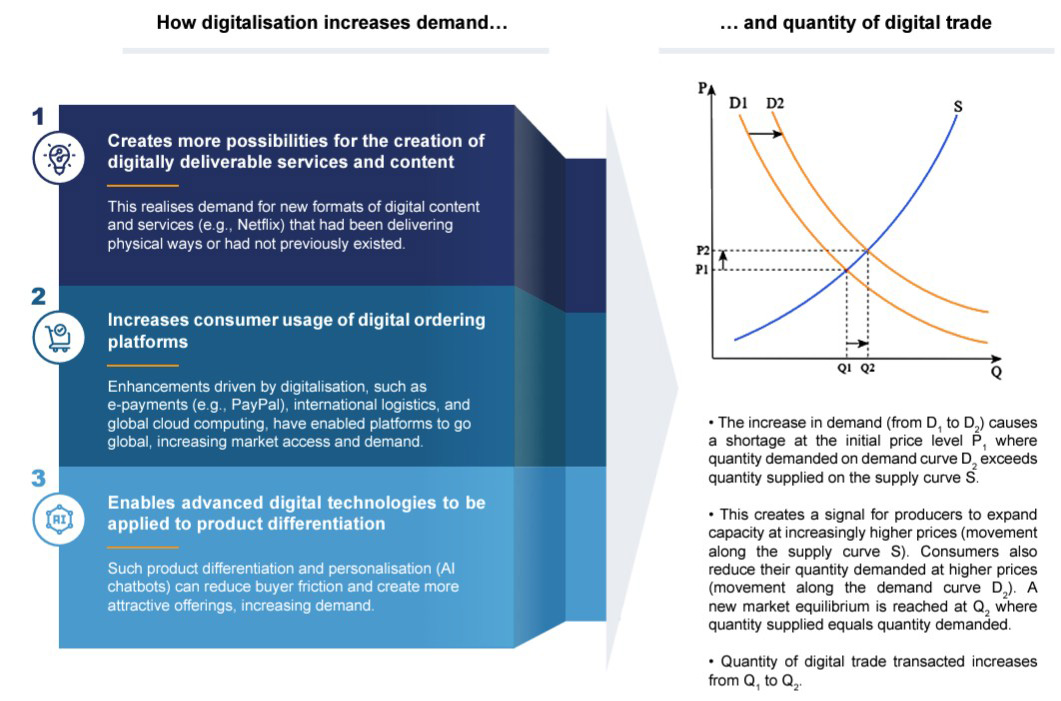
Digitalisation has significantly changed how international trade is conducted, both via the use of digital platforms to facilitate the exchange of non-digital goods and services, as well as through the increase in digitally deliverable exports, including financial and professional services, and mobile apps and content. The impact of digitalisation of… Read more
-
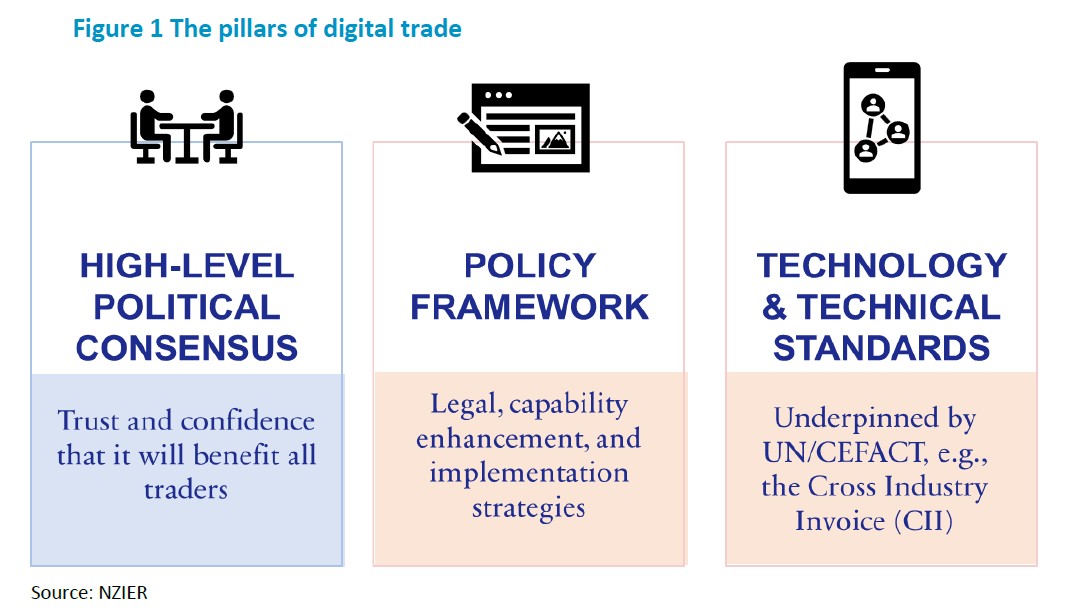
New Zealand Institute of Economic Researches (NZIER) has investigated what is needed to drive and develop a paperless trade environment for government and non-government supply chain participants. The gains from introducing paperless trade are significant to the point where they potentially match a high-quality trade agreement that delivers benefits year-on-year… Read more
-
Digital Trade Governance: The UK’s Approach

Digital technologies have affected international trade relations and what is traded across borders, giving rise to digital trade. Digital trade has become an important part of international trade discussions, requiring specific policies and measures at different regulatory levels. Together these are referred to as digital trade governance. Good digital trade… Read more
-

This report outlines a National Action Plan designed to enhance Kazakhstan’s digital trade integration within the Asia-Pacific region. Addressing gaps in digital trade policies will foster a more competitive and transparent environment for businesses and investors in Kazakhstan’s digital economy. Using ESCAP’s Regional Digital Trade Integration Index (RDTII) framework and… Read more
-
Trafigura Leads the Way with a Groundbreaking $2.885 Billion Syndicated Facility Leveraging Electronic Bills of Lading (eBL)

In a transformative move for global trade finance, Trafigura, in partnership with ING and 27 other lenders, has successfully executed a $2.885 billion borrowing base facility using electronic Bills of Lading (eBL) as collateral. This pioneering transaction demonstrates the growing influence of digitization in trade finance, supported by the UK’s… Read more
-
Data and Digital Trade

The global economy has experienced a rapid growth in digitally facilitated and delivered trade in goods and services. The Government has adopted a “consciously broad” definition of digital trade to reflect this trend. While we understand that trade is increasingly digital, such breadth may be an obstacle to identifying areas… Read more
-
Driving the Future of Trade Finance: How Digital Standards are Paving the Way for Paperless Trade

At Sibos 2024 in Beijing, industry leaders convened to discuss the accelerating digitalisation of global trade. A notable session featured Ben Arber, CEO of Complidata, in conversation with Pamela Mar, Managing Director of the Digital Standards Initiative (DSI) at the International Chamber of Commerce (ICC). Their discussion centered on the… Read more
-
Understanding the EU’s PSD3 Directive and PSR Regulation: Key Changes and Implications

The European Commission has introduced two significant legislative proposals: the third Payment Services Directive (PSD3) and the Payment Services Regulation (PSR). These initiatives aim to enhance the European payments market by building upon the foundations of PSD2, striving for greater harmonization and reducing national discrepancies. Objectives of PSD3 and PSR… Read more