Timeline
-
The Dutch government has introduced Bill No. 36 743, amending Book 8 of the Dutch Civil Code (Burgerlijk Wetboek) to recognize the use of an electronic bill of lading (elektronisch cognossement) in maritime transport. The aim is to align Dutch law with the UNCITRAL Model Law on Electronic Transferable Records (MLETR), thus creating legal equivalence Read more
-
Lessons from BritCard: Why Architecture Matters for Digital Trust and Identity
Digital identity and trust are not just political or legal questions — they are also architectural ones. The UK government’s proposed BritCard system illustrates how design choices can deeply affect security, privacy, and public confidence. DIACC argues that Canada must avoid overly centralized control and instead promote architectures where the user owns and controls their Read more
-
Digital trade has become a core component of global commerce. Yet, many countries remain tied to paper-based legal and administrative systems. The Commonwealth Model Law on Digital Trade (2025) was developed to provide member states with a unified and modern legal framework that removes barriers to the legal recognition of electronic documents and digital processes. Read more
-
Towards a Trusted Digital Trade Framework: Why the European Trade Indexes Registry (EUTIR) Matters
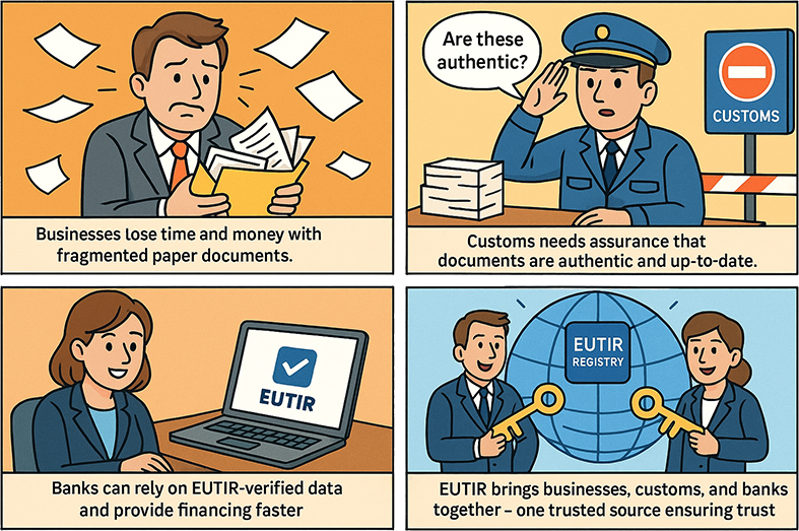
In September 2025, the DigitalTrade4.EU consortium submitted its consolidated feedback to the European Commission: “Towards a Trusted Digital Trade Framework: The Role of the European Trade Indexes Registry (EUTIR).” This document brings together insights from 96 separate submissions and distills them into a strategic vision for Europe’s future digital trade ecosystem. What is EUTIR? The Read more
-
ISO 20022 Exceptions and Investigations Migration: Strategic Relevance for the EU Financial Digitalisation Agenda
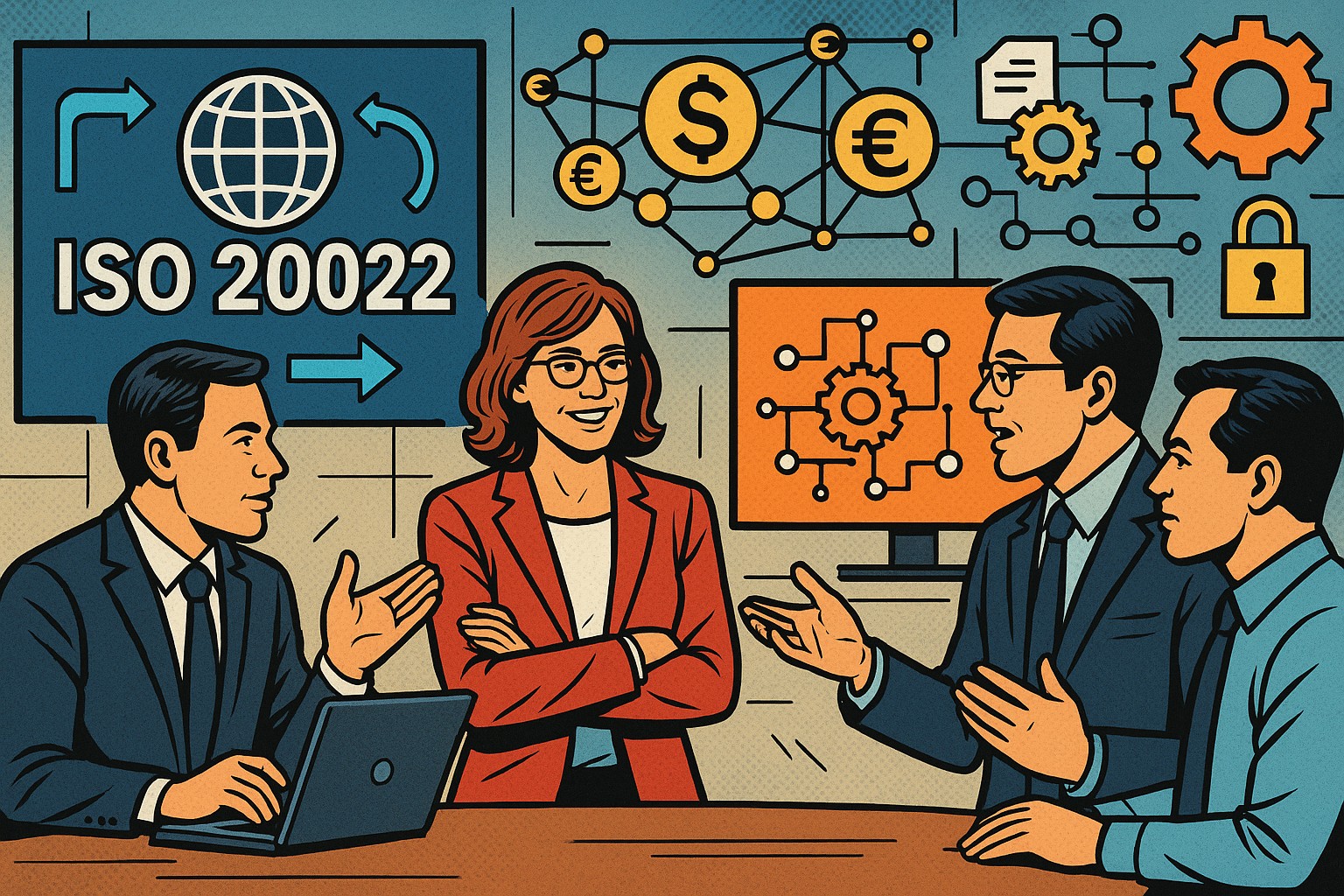
The migration of exceptions and investigations (E&I) handling to ISO 20022 standards between 2025 and 2027 is often described as a technical upgrade for payment infrastructures. In reality, it is far more: a strategic enabler of the European Union’s financial digitalisation agenda. By introducing structured E&I messages, unique case identifiers, and a centralised Swift Case Read more
-
In recent years, the European Union has positioned itself as a global regulatory power in the digital economy. Through landmark initiatives such as the Digital Markets Act (DMA), the Digital Operational Resilience Act (DORA), and the Artificial Intelligence Act (AI Act), Brussels has sought to shape the conduct of major technology firms, financial institutions, and Read more
-
Digital Assets, Electronic Trade Documents, and the Challenge of Private International Law
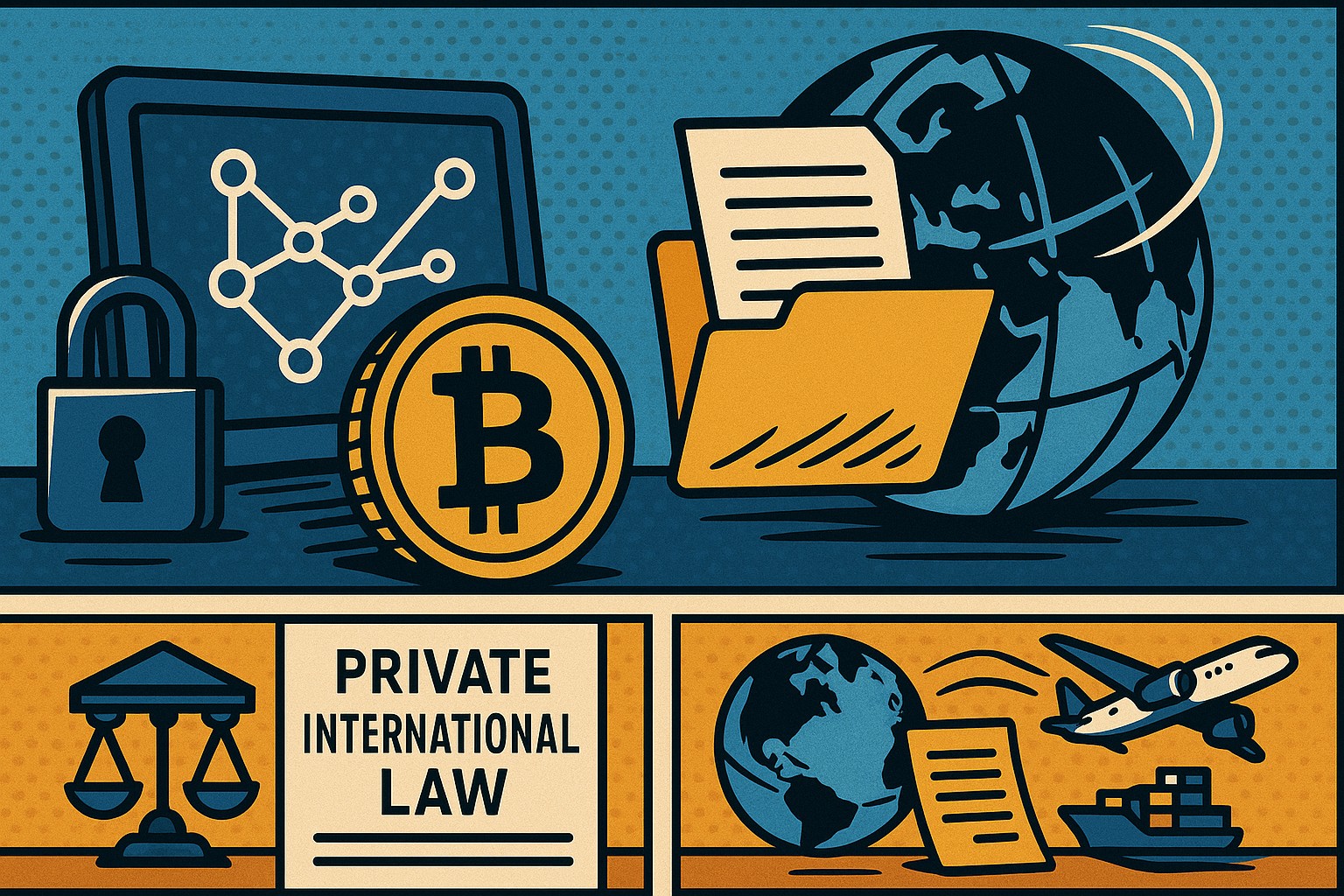
In June 2025, the Law Commission of England and Wales published Consultation Paper No. 273 on Digital assets and (electronic) trade documents in private international law, including Section 72 of the Bills of Exchange Act 1882. The paper addresses one of the most pressing questions in modern commerce: how should cross-border disputes involving blockchain, crypto-tokens, Read more
-
Digital Finance in Europe: Technology, Artificial Intelligence and Future Perspectives
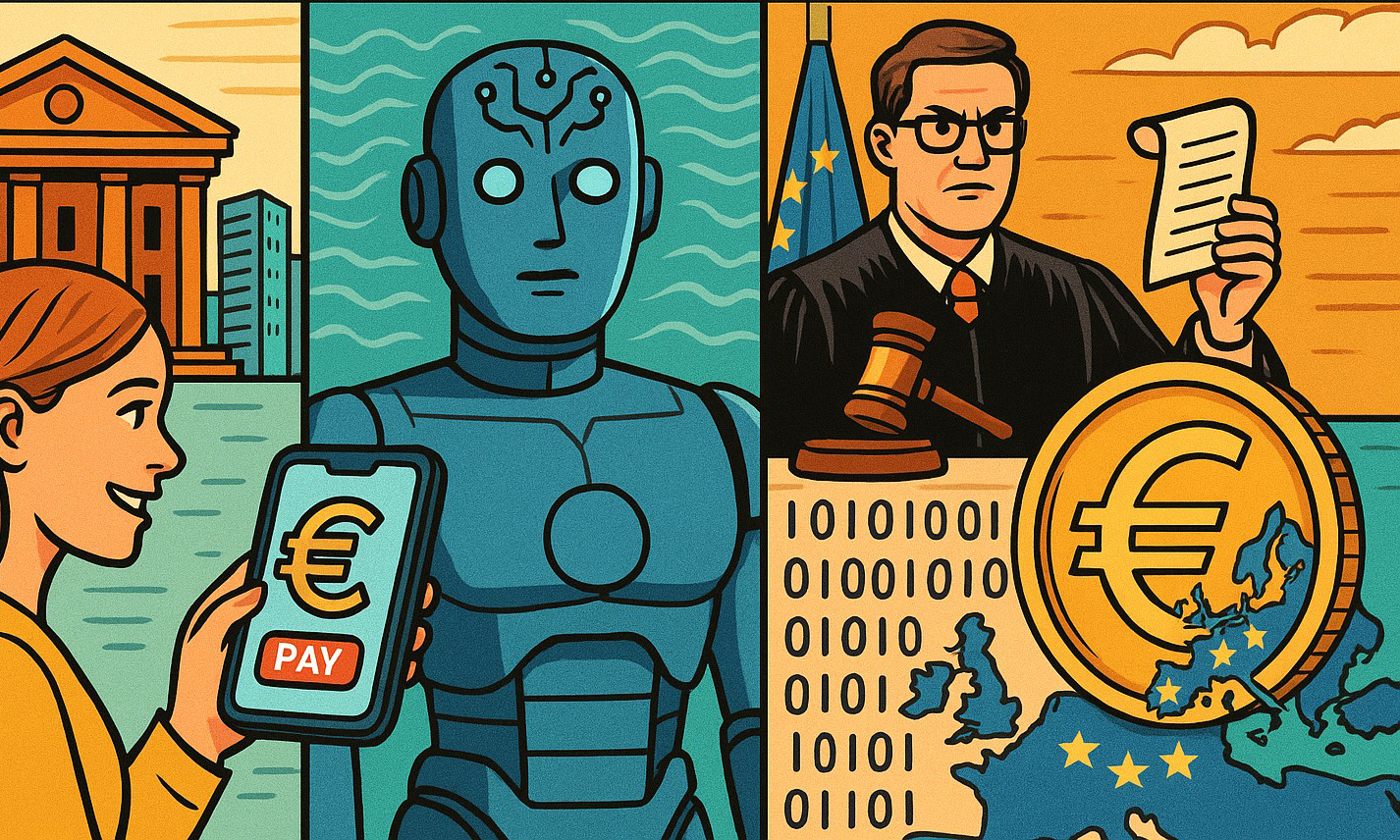
The volume “Digital Finance in the EU: Navigating New Technological Trends and the AI Revolution”, published in cooperation between the European University Institute and the European Commission, explores how digitalisation and the rapid rise of artificial intelligence (AI) are reshaping the European financial sector. This is not just a handbook for supervisory authorities but a Read more
-
Canada and the European Union (EU) are preparing to negotiate a Digital Trade Agreement (DTA) that could set new global standards for data governance, privacy, and innovation. While the Comprehensive Economic and Trade Agreement (CETA) laid the foundation for a modern transatlantic partnership, it did not fully address the digital economy’s complex dynamics. The upcoming Read more
-
Unlocking Europe’s Financial Data Future: Insights from the FiDA Debate
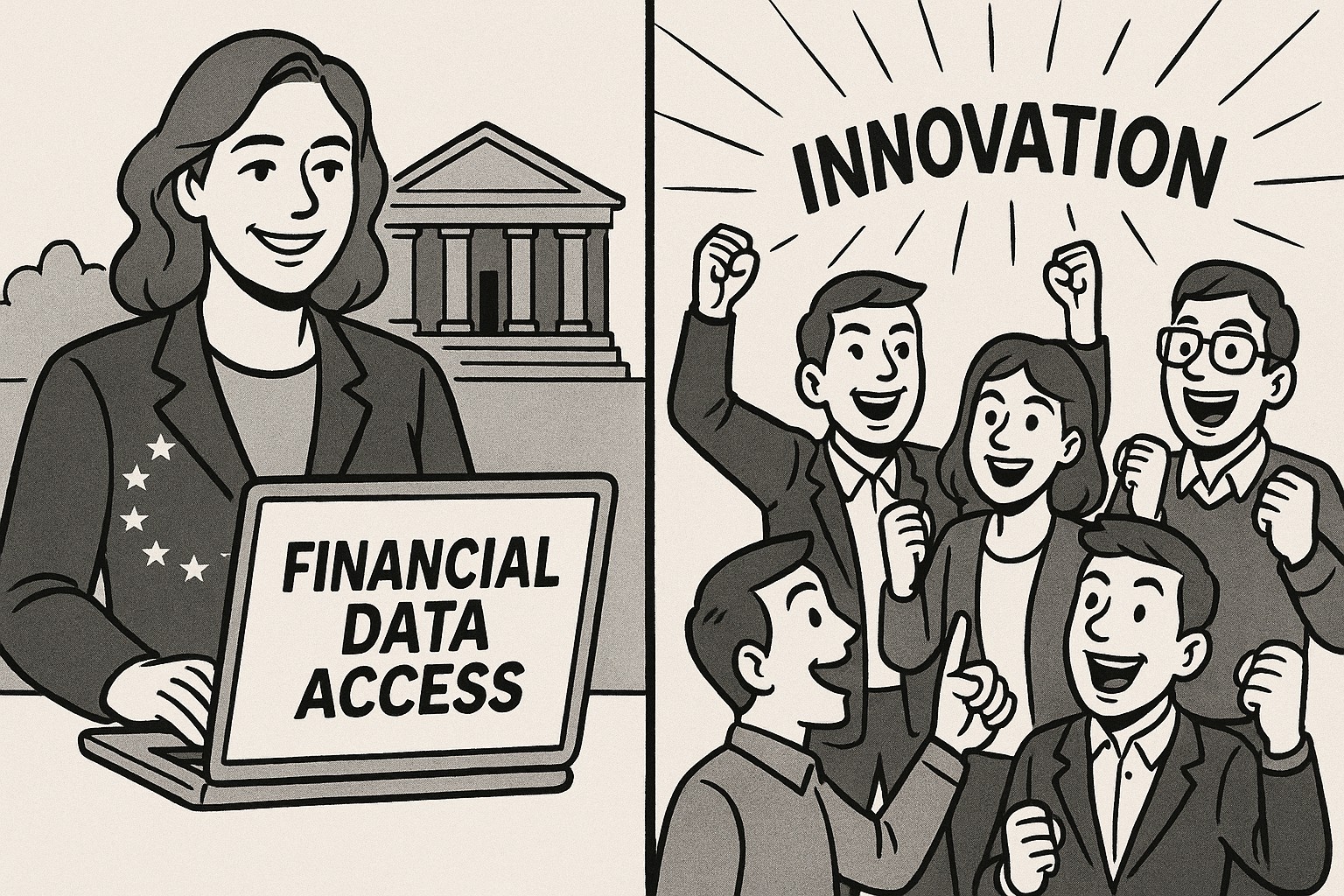
The European Union’s proposed Financial Data Access Regulation (FiDA) is emerging as a cornerstone in the ongoing transformation of Europe’s financial markets. The regulation aims to establish a comprehensive framework for data sharing across the financial sector, building on lessons from PSD2 and aligning with broader initiatives in open finance, digital identity, and the EU’s Read more