Analyses
-
Indirect Taxation of e-Commerce and Digital Trade: Implications for Developing Countries
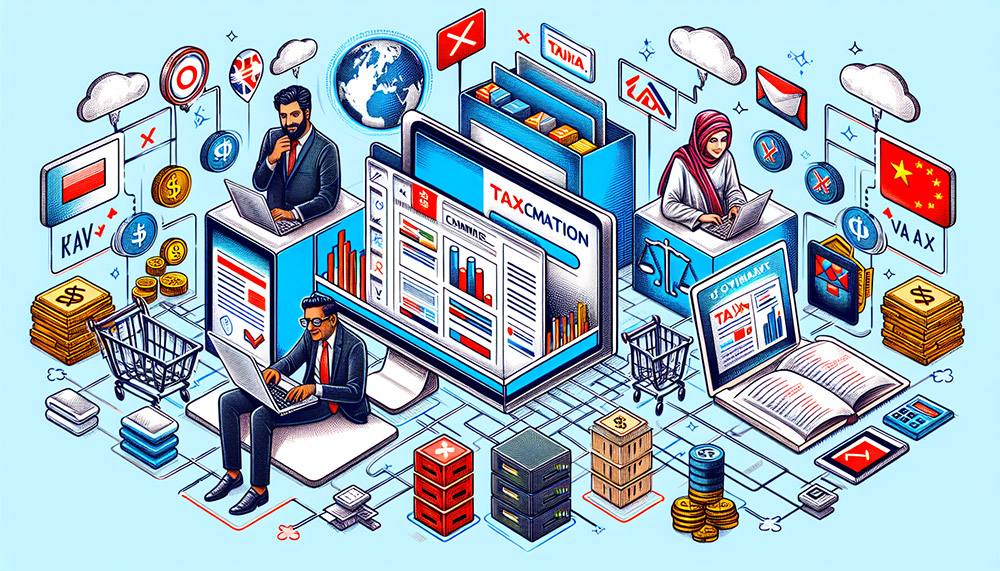
Digital transformation is drastically changing how people and businesses interact and conduct commerce. It is transforming social, business, and economic norms and changing the way we interact, consume and do business. This facilitates e-commerce in both existing and emerging markets and allows for more products to be delivered digitally. New opportunities for growth exist as Read more
-
A Path to Paperless Trade: Analysing the Legal Gaps and Economic Benefit of Adopting or Maintaining a Legal Framework that Takes into Account the MLETR
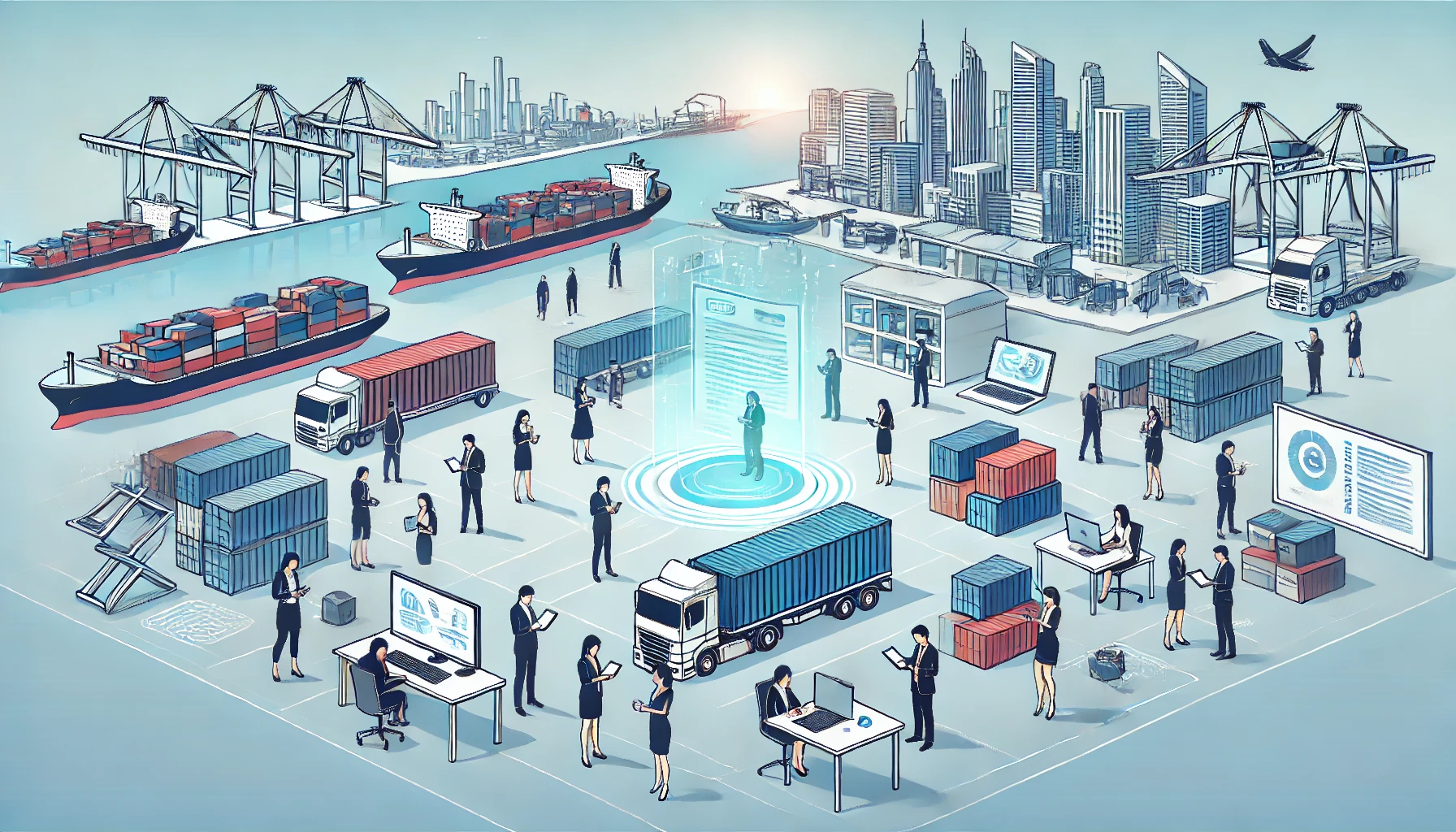
APEC has an opportunity to realise the significant benefits arising from paperless trade in the region. APEC wide adoption of the UNCITRAL Model Law on Electronic Transferable Records (MLETR), or equivalent arrangements, can help to achieve this. The benefits of moving along this path to paperless trade are significant – estimated to be as high Read more
-
Micro, Small, and Medium Enterprises (MSMEs) are widely recognized as engines for growth and inclusion, particularly in EMDEs (namely Bangladesh, Republic of China, India, Kazakhstan, Mongolia, Pakistan and Vietnam). They play a crucial role in fostering economic development by creating jobs, stimulating innovation, and driving competition. In most EMDEs, MSMEs constitute a significant portion of Read more
-
Study on Convergences and Divergences of Free Trade Agreements in the APEC Region
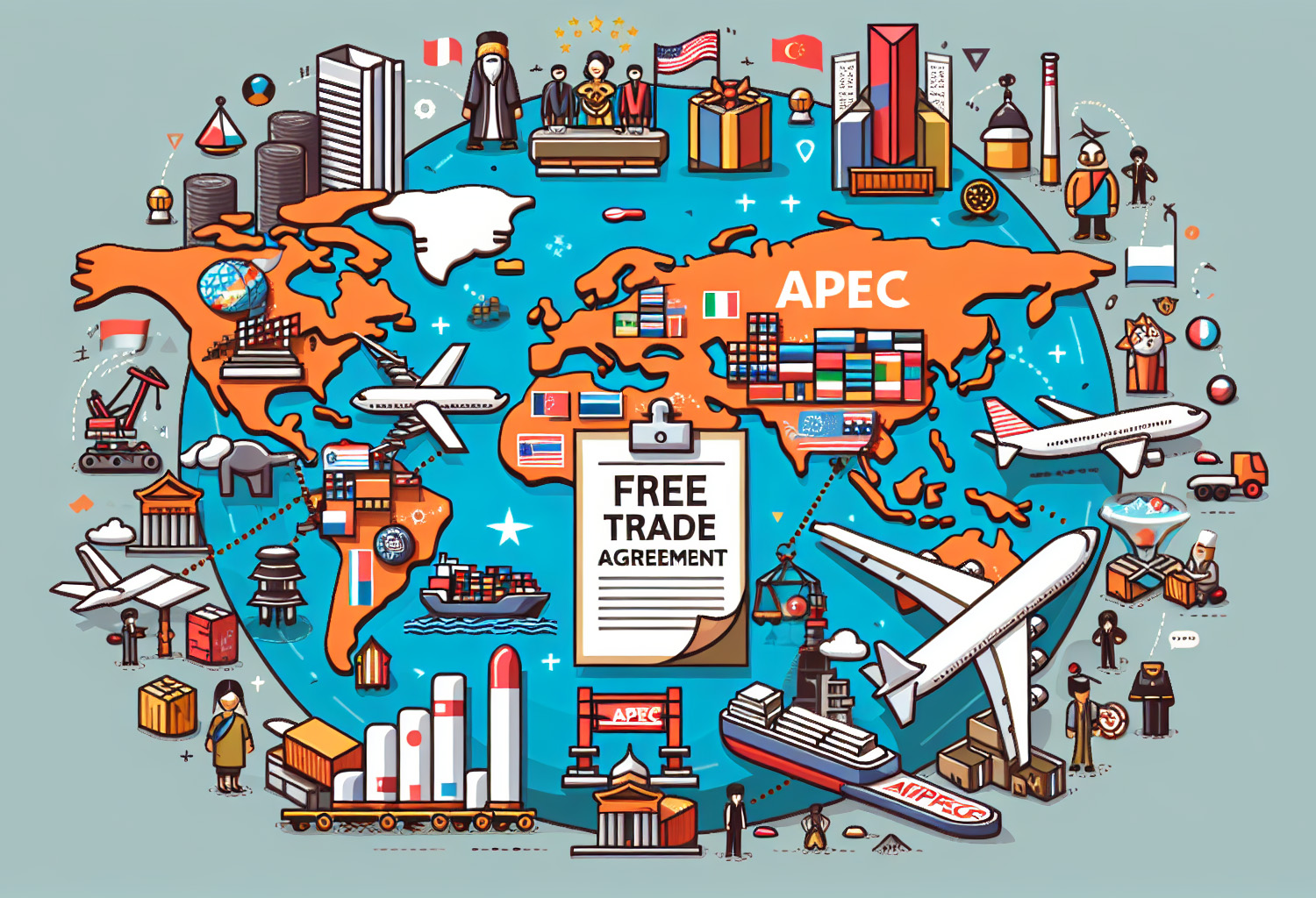
This report has been prepared pursuant to the project “Study on Convergences and Divergences of Free Trade Agreements in the APEC region”, which consists of conducting a study to compare the content of the following Regional Trade Agreements/Free Trade Agreements (RTA/FTAs): The objective of the study is to discuss areas of convergence and divergence across Read more
-
Public Key Infrastructure: Implementing High-Trust Electronic Signatures
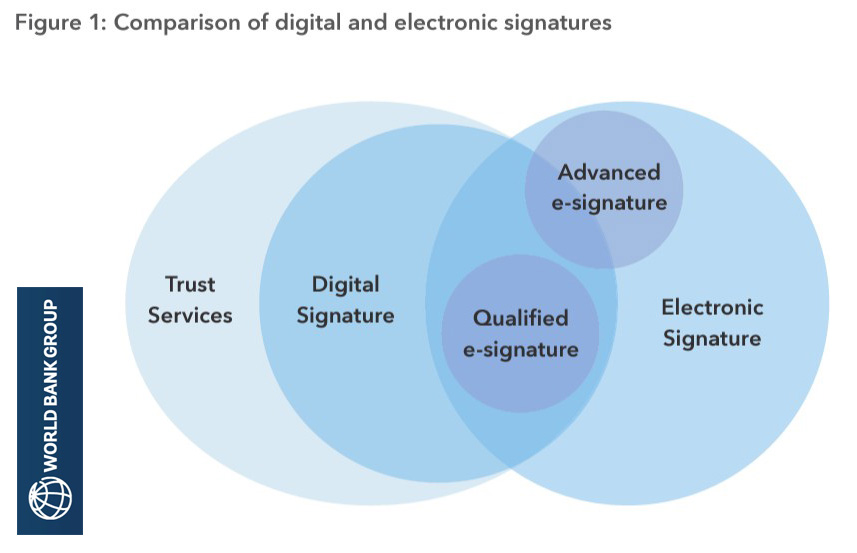
As countries progress in their digital transformation journeys, establishing trust in digital interactions becomes increasingly vital. Public Key Infrastructure (PKI) is a critical enabler of secure and trustworthy electronic transactions, constituting a key component of a country’s digital public infrastructure. This policy note focuses on how governments can effectively implement PKI at a national level—complementing Read more
-
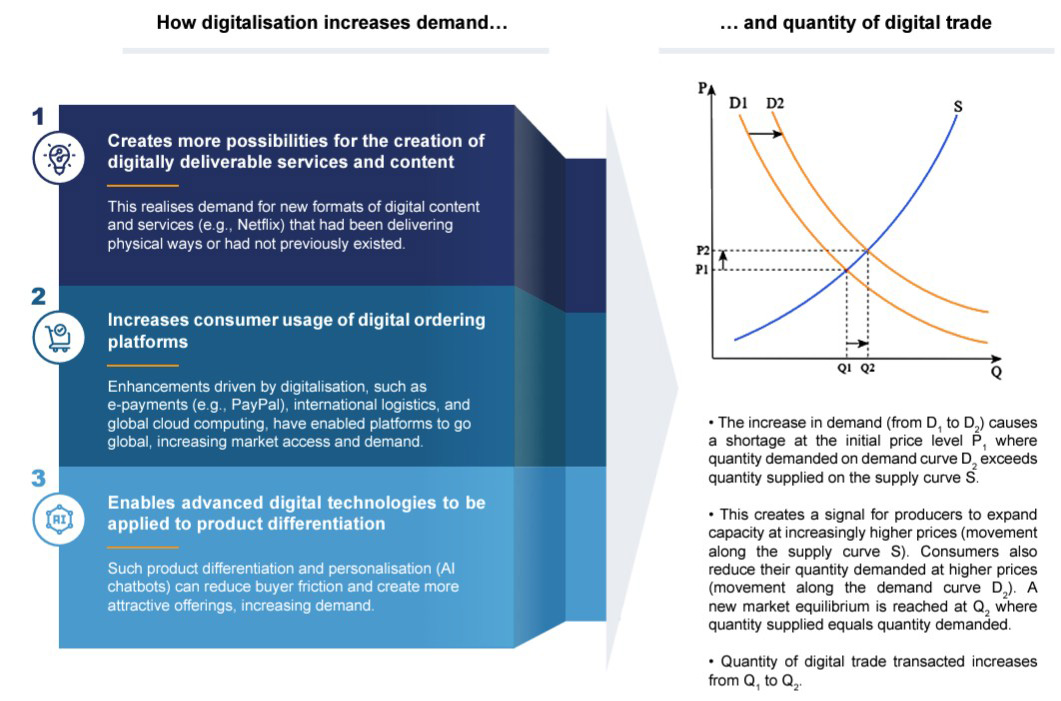
Digitalisation has significantly changed how international trade is conducted, both via the use of digital platforms to facilitate the exchange of non-digital goods and services, as well as through the increase in digitally deliverable exports, including financial and professional services, and mobile apps and content. The impact of digitalisation of trade is of particular significance Read more
-
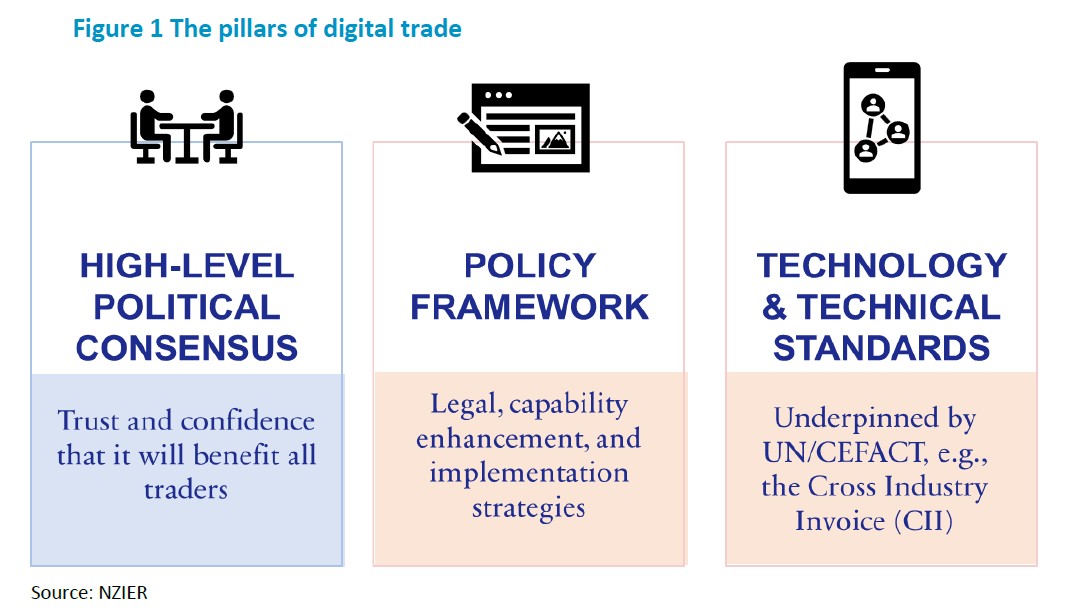
New Zealand Institute of Economic Researches (NZIER) has investigated what is needed to drive and develop a paperless trade environment for government and non-government supply chain participants. The gains from introducing paperless trade are significant to the point where they potentially match a high-quality trade agreement that delivers benefits year-on-year (NZIER 2021). The gains are Read more
-
This report outlines a National Action Plan designed to enhance Kazakhstan’s digital trade integration within the Asia-Pacific region. Addressing gaps in digital trade policies will foster a more competitive and transparent environment for businesses and investors in Kazakhstan’s digital economy. Using ESCAP’s Regional Digital Trade Integration Index (RDTII) framework and database, this paper identifies priority Read more
-
The clearance of goods to enter a market is often considered a balance between facilitating and controlling. The latter is checking that the goods are compliant with all relevant rules and regulations, corresponding to legitimate regulatory objectives. This may include consumer health and safety, safeguarding the environment, compliance with social norms or aiming to achieve Read more
-
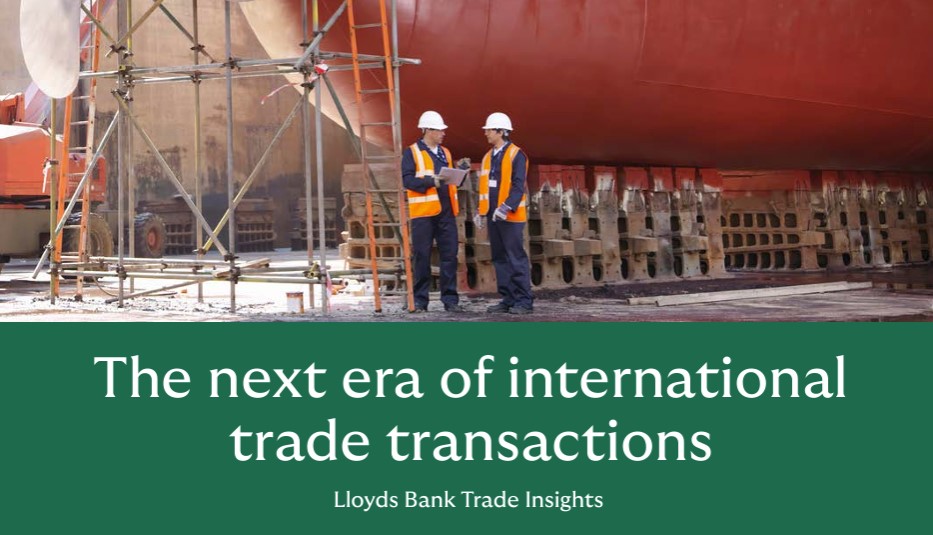
Until the recent drive towards digitalisation and modernisation, the processes involved in an international end-to-end transaction could be long, cumbersome and expensive. From the shipping of goods to the payment of an invoice, the overall transaction would take place through a collection of individual, fragmented and often siloed procedures, from the issuance of paper trade Read more